

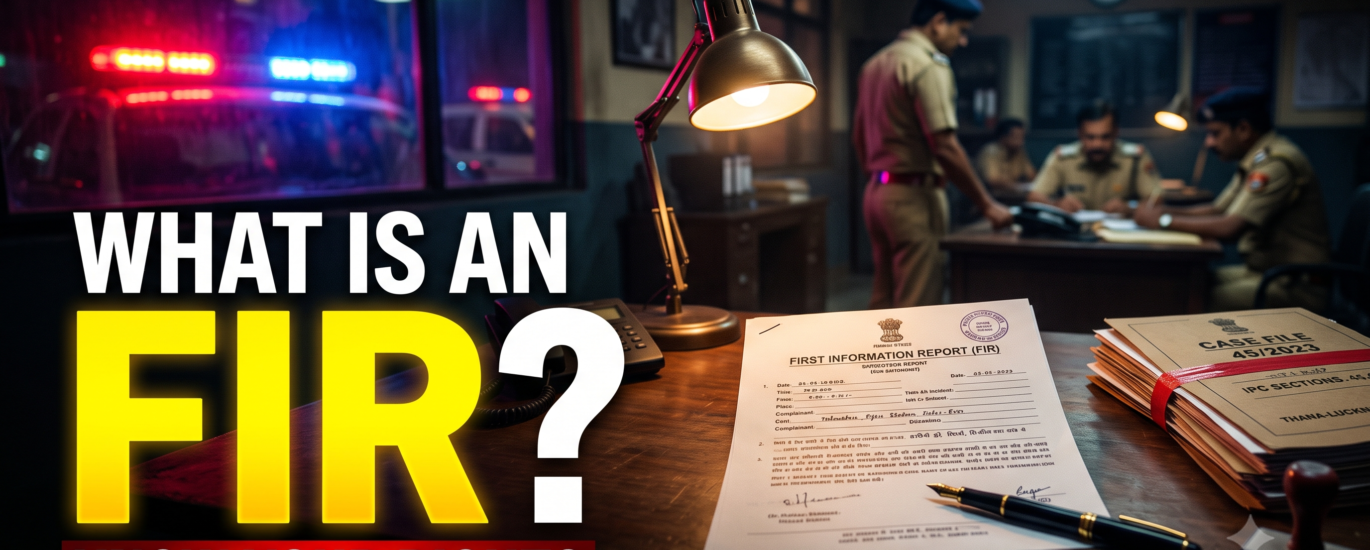
Police Called You? Here’s What You Should Do
Getting a call from the police can make anyone nervous. Your first thought may be, “Have I done something wrong?” But a police call does not automatically mean that you are guilty or even accused of an offence.
You could be contacted as a complainant, witness, victim, or because the police need information connected with an investigation.
The key is to stay calm and understand the situation.
First, Ask Why the Police Are Calling
If you receive a call from someone claiming to be a police officer, politely ask why they want to speak with you.
You can ask for:
- The officer’s name
- Rank or designation
- Police station
- Complaint or case details, if available
- Reason for contacting you
- Whether you are being asked to appear at the police station
Knowing the purpose of the contact can help you decide what to do next.
Be Careful About Fake Police Calls
Not every person who claims to be a police officer is actually one.
Scammers sometimes use fear and threats to pressure people into sending money or sharing personal information.
Be particularly cautious if someone says:
“Pay immediately or you will be arrested.”
A genuine legal matter should not be handled by blindly transferring money to an unknown bank account or UPI ID.
If you are suspicious, independently verify the police station and officer through official channels.
Do Not Panic
Fear can make people say things they later regret.
If the call concerns a serious criminal matter, consider speaking with a lawyer before taking significant steps. A lawyer can help you understand your legal position and explain what you should and should not do.
This does not mean that you should ignore a legitimate police request. Instead, understand the request and respond appropriately.
Preserve Relevant Evidence
If the police are contacting you about an incident, do not delete potentially relevant information.
Keep:
- Text messages
- Emails
- Photos
- Videos
- CCTV footage
- Receipts
- Bank records
- Call records
- Relevant documents
Trying to destroy or manipulate evidence can create additional legal problems.
Don’t Sign Something You Don’t Understand
If you are asked to sign a document, read it carefully.
If you do not understand what a document says, ask for an explanation. Where the situation is legally serious, getting independent legal advice before signing documents can be a sensible step.
Should You Take a Lawyer With You?
There is no single answer for every situation.
If you are simply being contacted as a witness, the situation may be very different from being treated as a suspect or accused person.
If you believe you may face criminal allegations, speaking to a lawyer as early as possible can help you understand your rights and responsibilities.
For additional legal information and resources, visit Legal Drishti.
What If the Call Is a Scam?
If you believe someone is impersonating a police officer to obtain money or personal information, do not panic.
Avoid making payments simply because of threats. Preserve call details, messages, payment requests, and other relevant information and consider reporting the suspected fraud through the appropriate official channels.
Final Thoughts
A police call should be taken seriously, but there is no reason to immediately panic.
Verify who is contacting you, understand why they want to speak with you, preserve relevant evidence, and obtain professional legal advice when necessary.
Knowing your rights is one of the best ways to protect yourself when dealing with a legal investigation.